
What do you want to do?
Start with a tutorial
Each follows one data set from the file to a result. New to MATLAB scripts? Read First steps before.
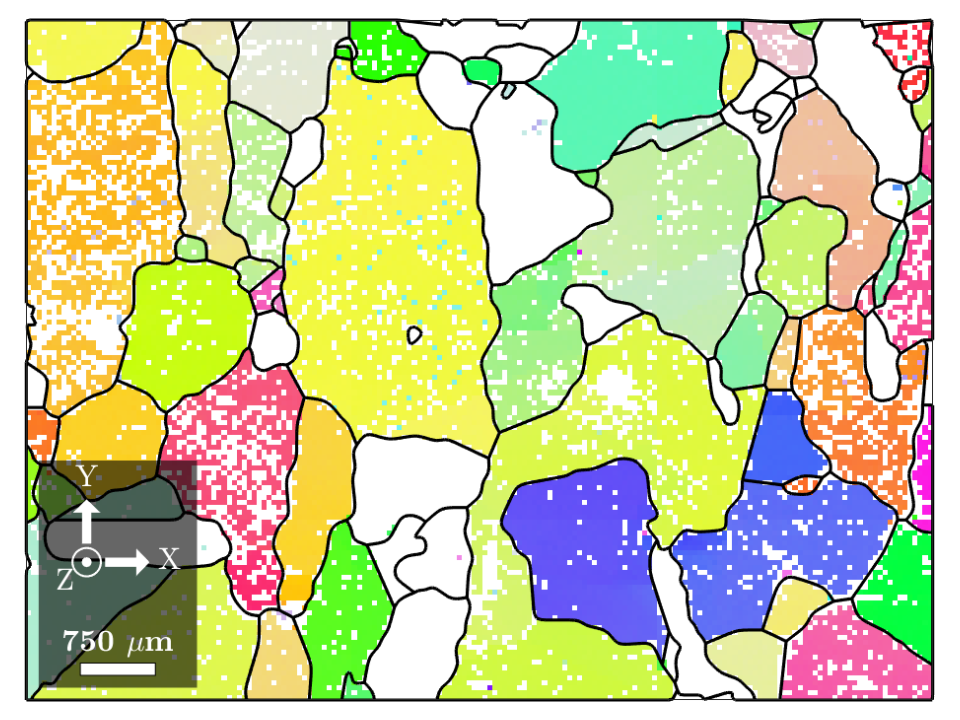
EBSD
Import, phase and orientation maps, pole figures
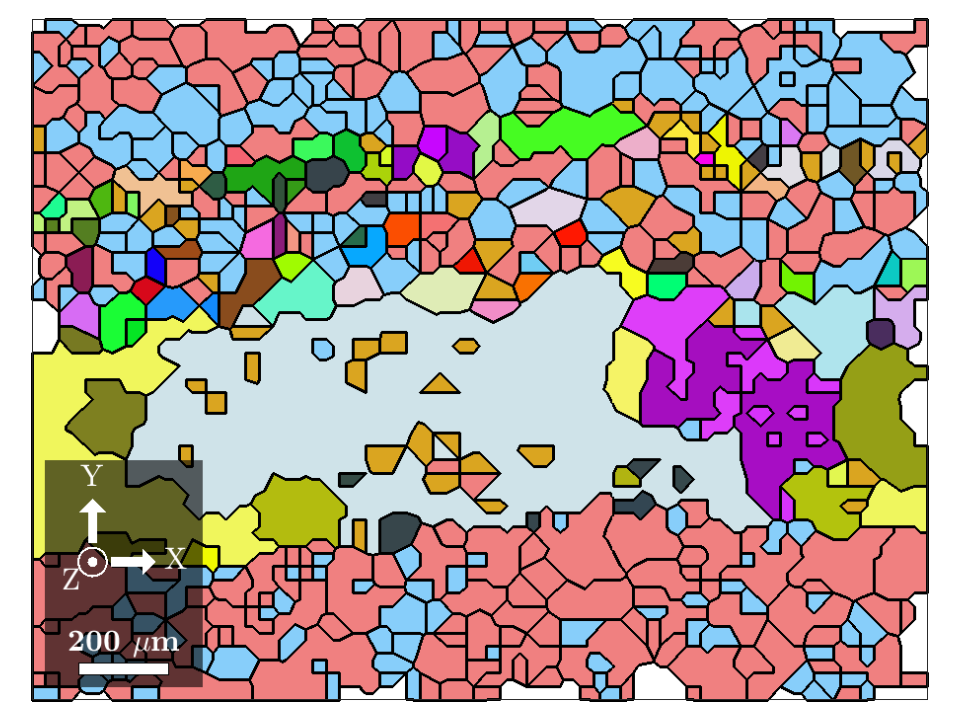
Grains
Reconstruct grains, their size, shape and orientation
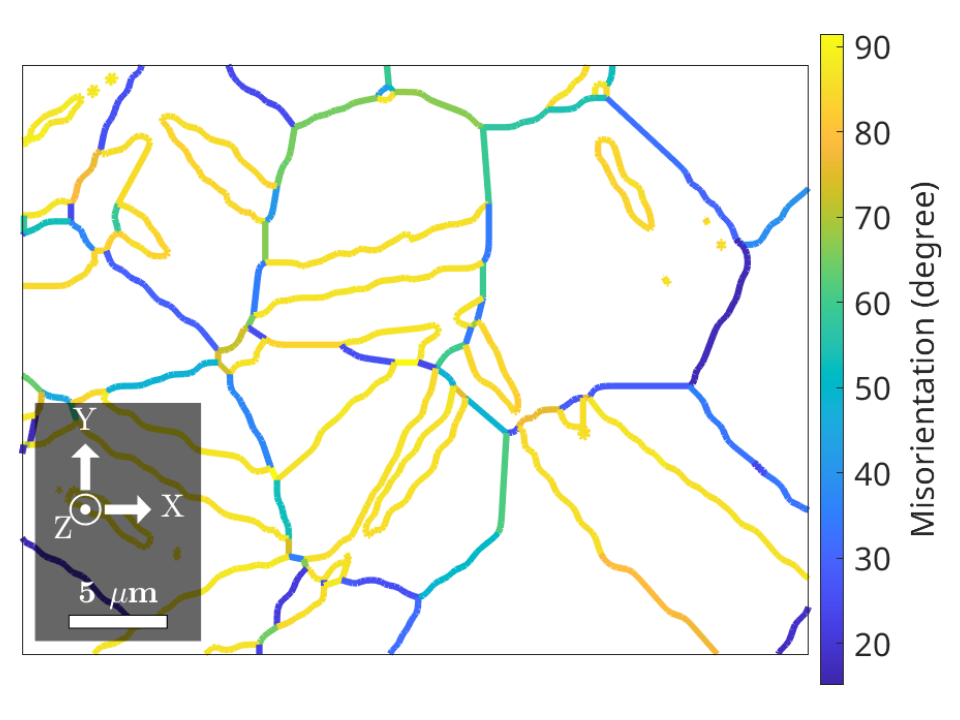
Grain boundaries
Misorientations, twins and special boundaries
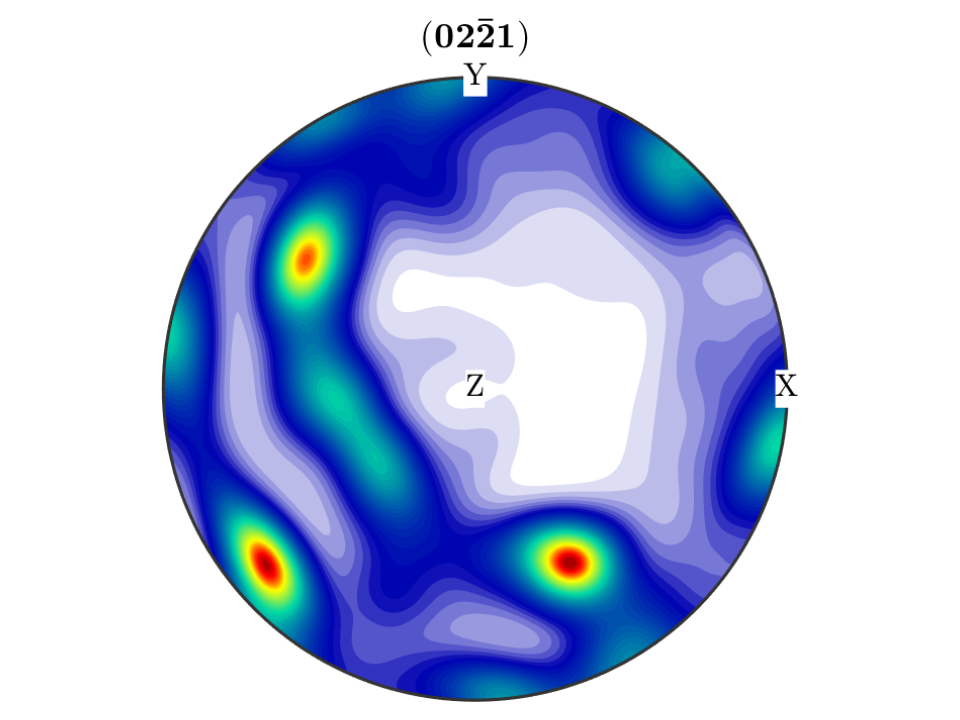
Pole figures
From X-ray or neutron intensities to the ODF
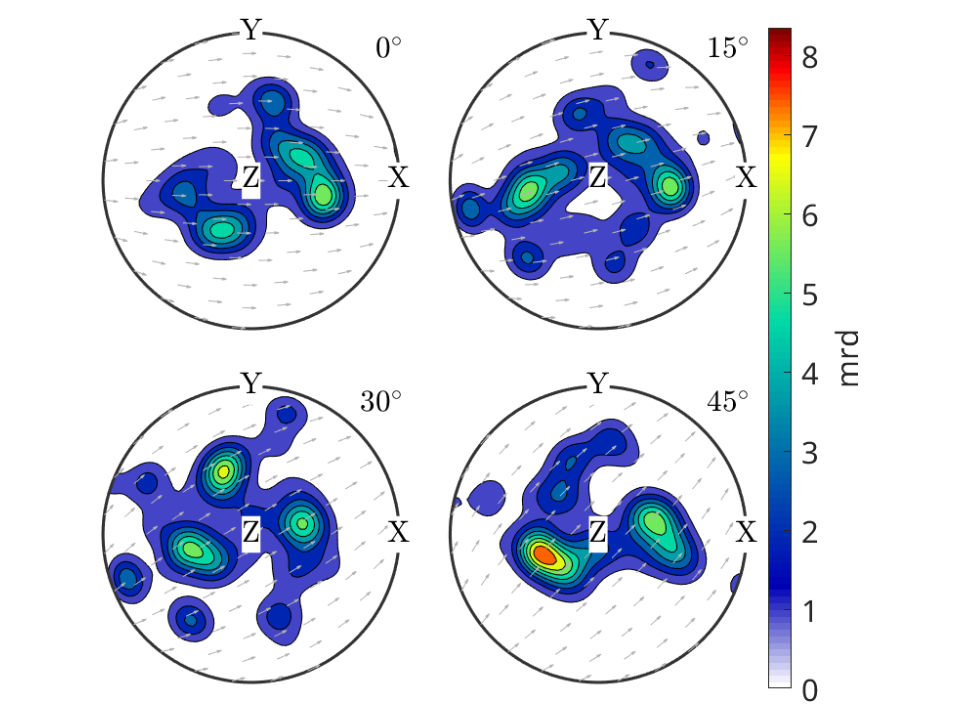
ODFs
Model, plot and characterise textures
All chapters
Concepts
What is it?The textbook part: what an orientation, a misorientation, an ODF or a tensor is, with the conventions MTEX uses. Every page runs MTEX code, so its examples are checked on every build.
 Directions and crystal lattices7
 Crystal symmetry3
 Rotations and orientations13
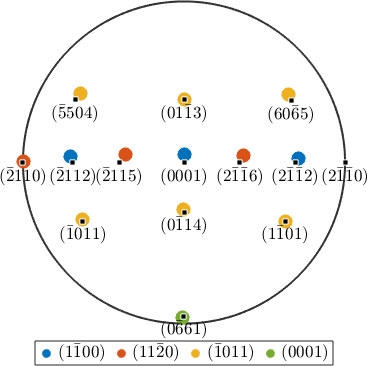 Misorientations6
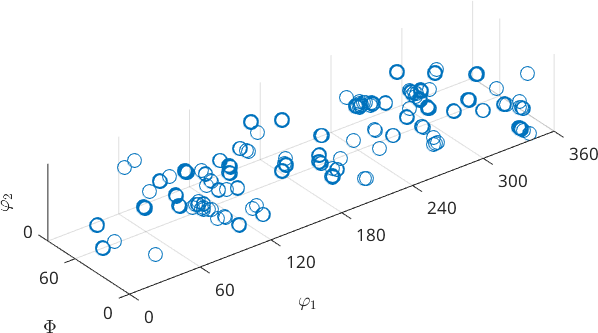 Texture6
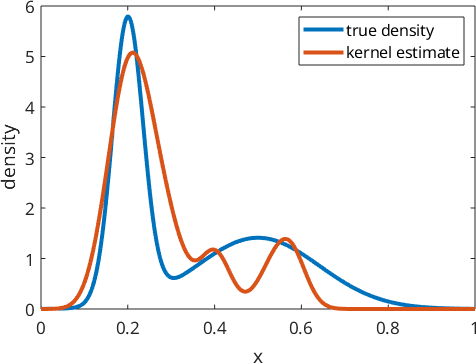 Density estimation and sampling4
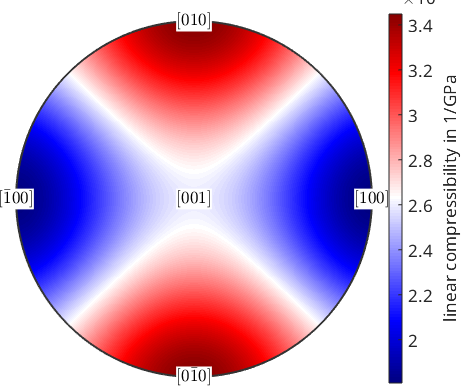 Anisotropic properties3
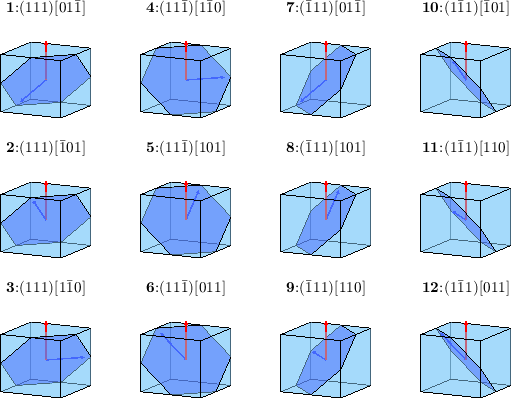 Deformation and transformation4
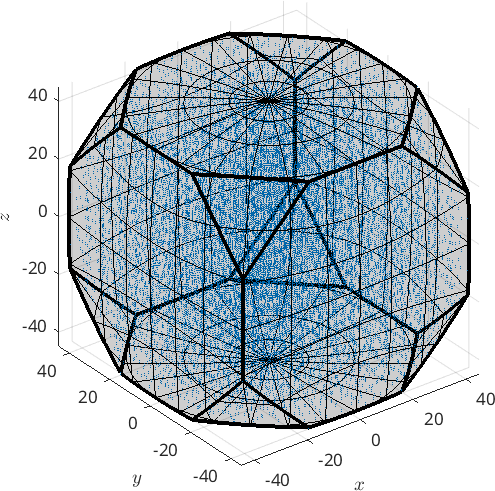
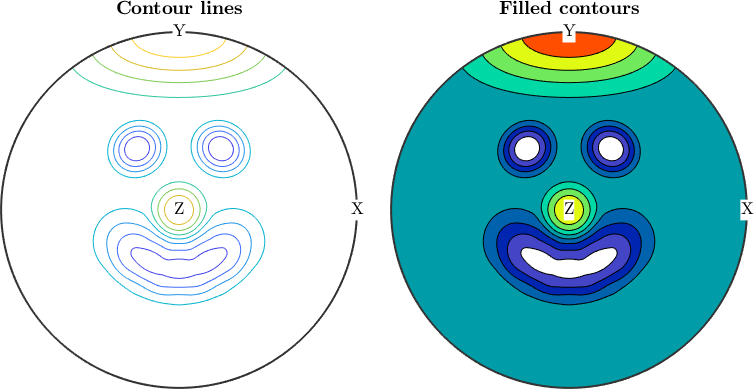
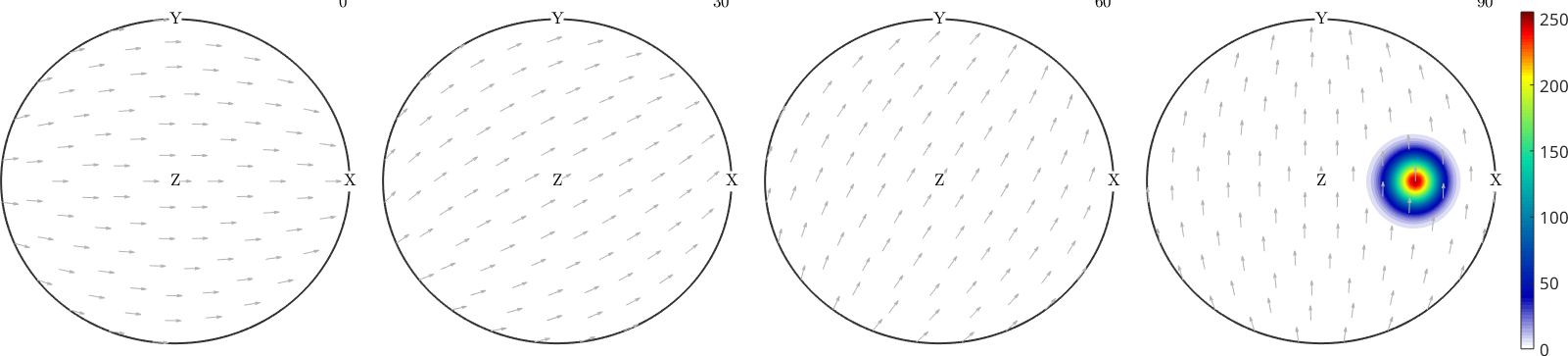
Tasks
How do I do it?The practical pages, ordered along a typical analysis from import to figures.
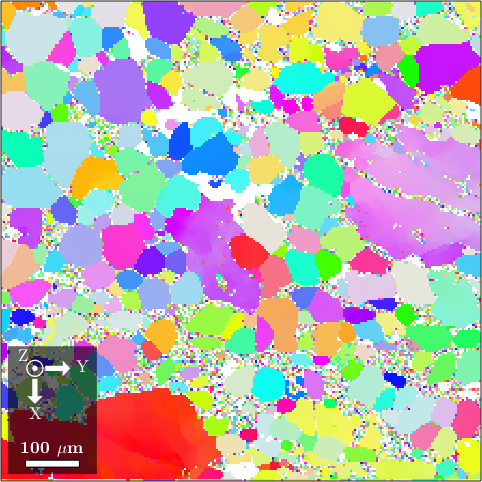 Import, export and reference frames19
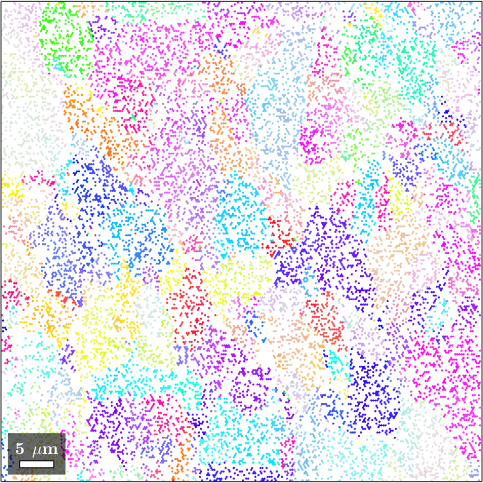 Preparing EBSD maps8
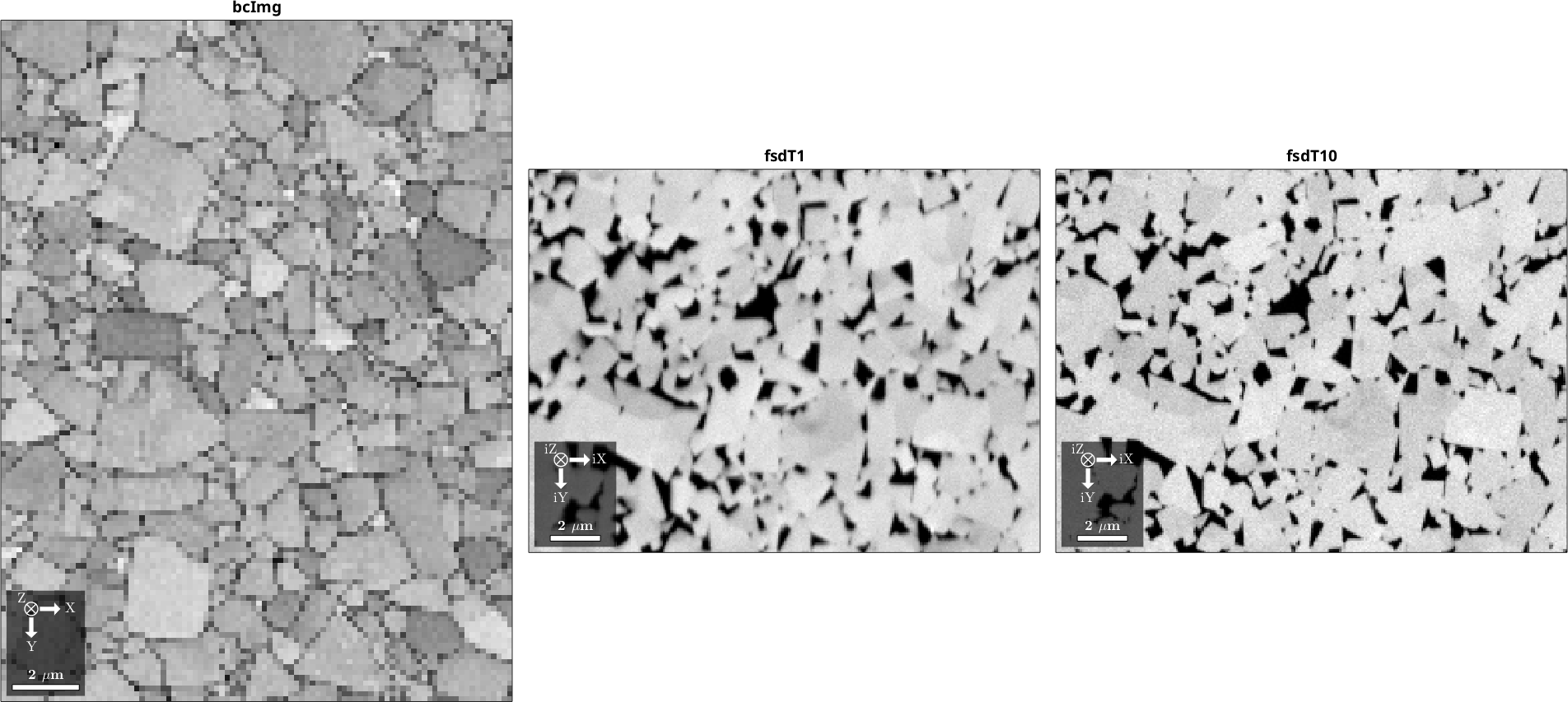 Correlating maps and images3 + 3
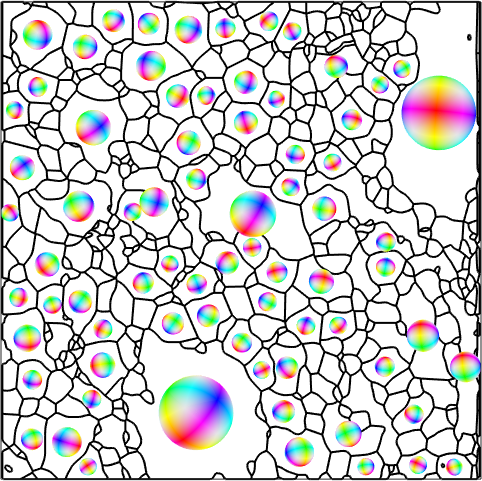 Orientation maps5
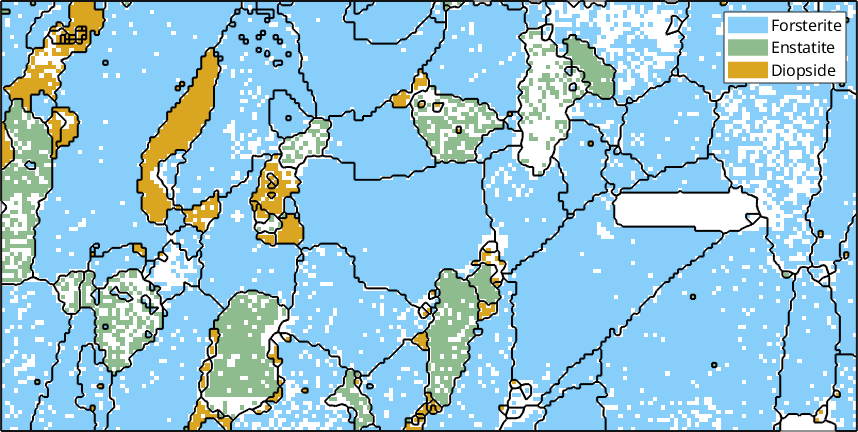 Grains7
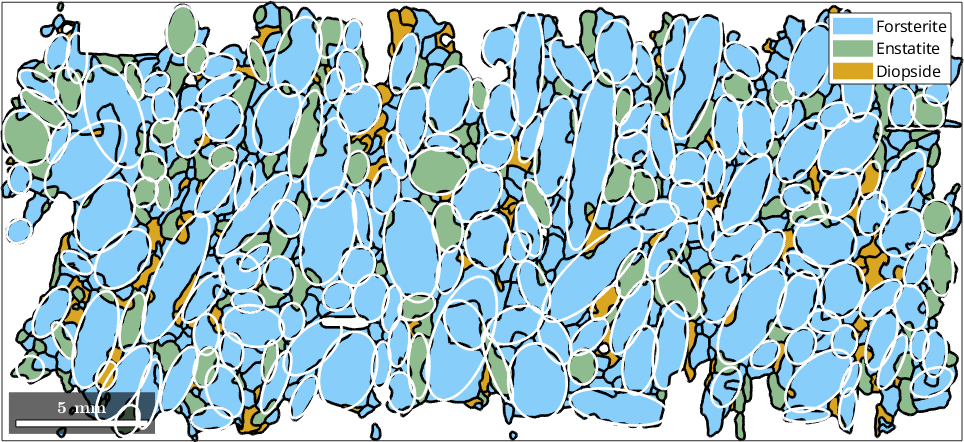 Grain size and shape4 + 1
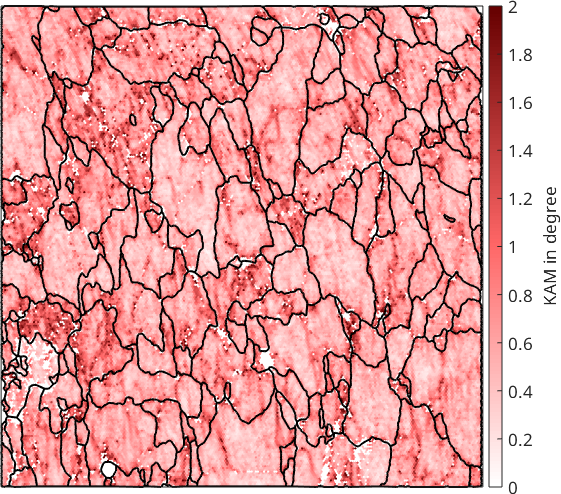 Orientation spread and dislocations7 + 1
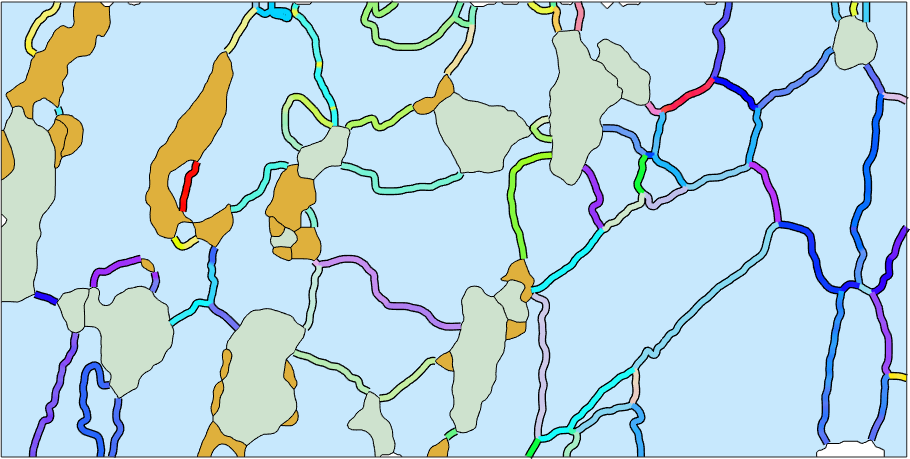 Grain boundaries15
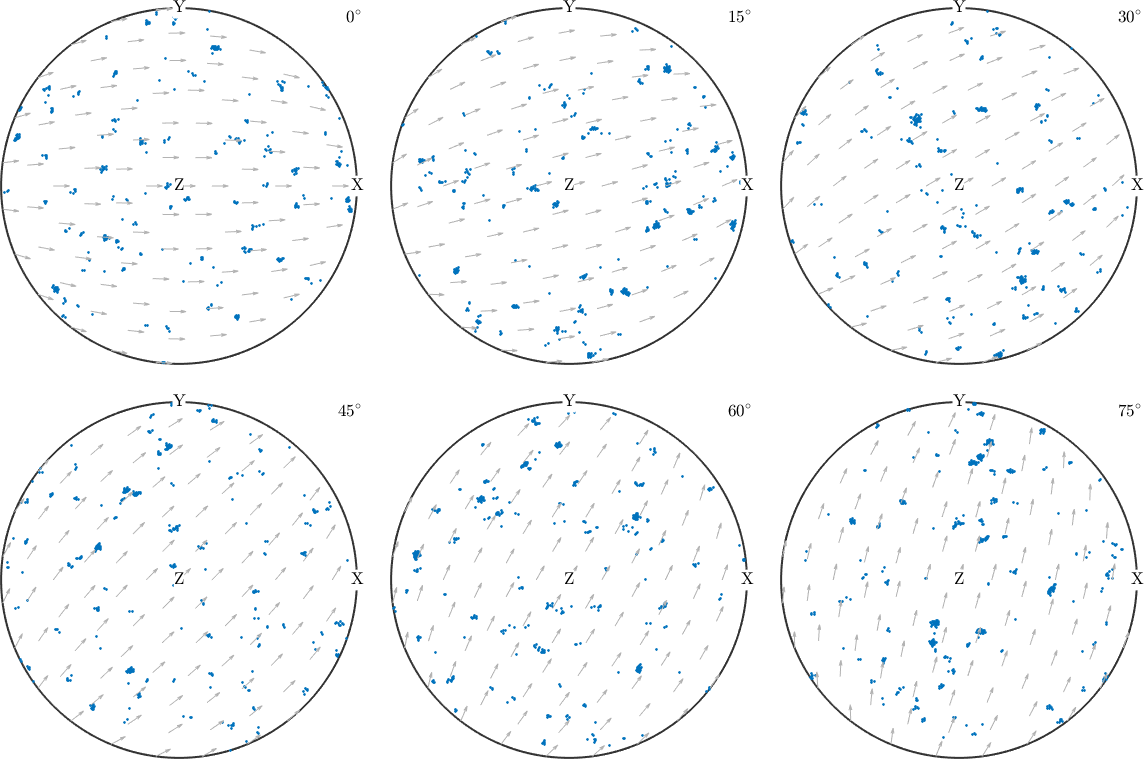 Texture from EBSD4
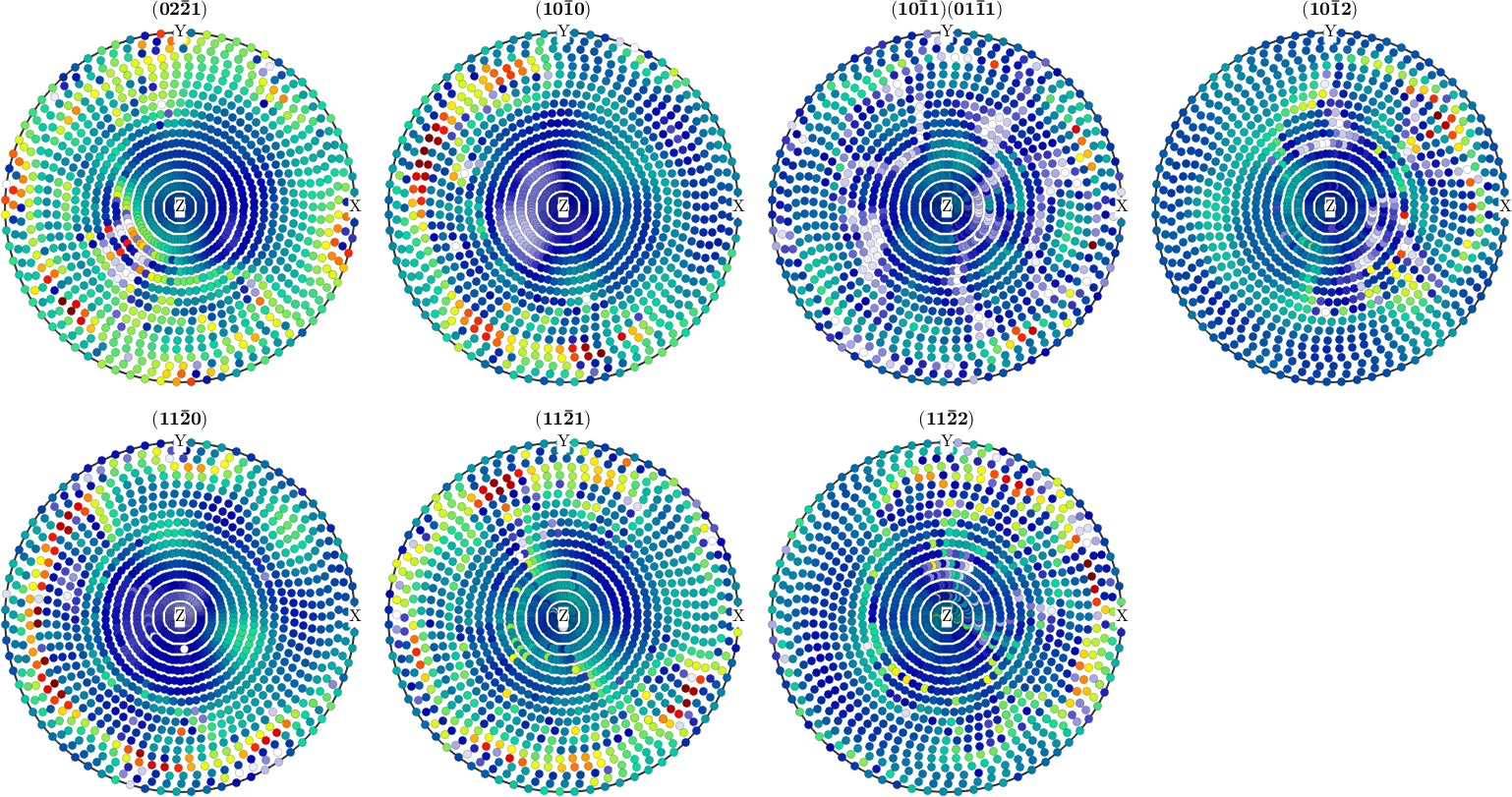 Texture from pole figures7 + 7
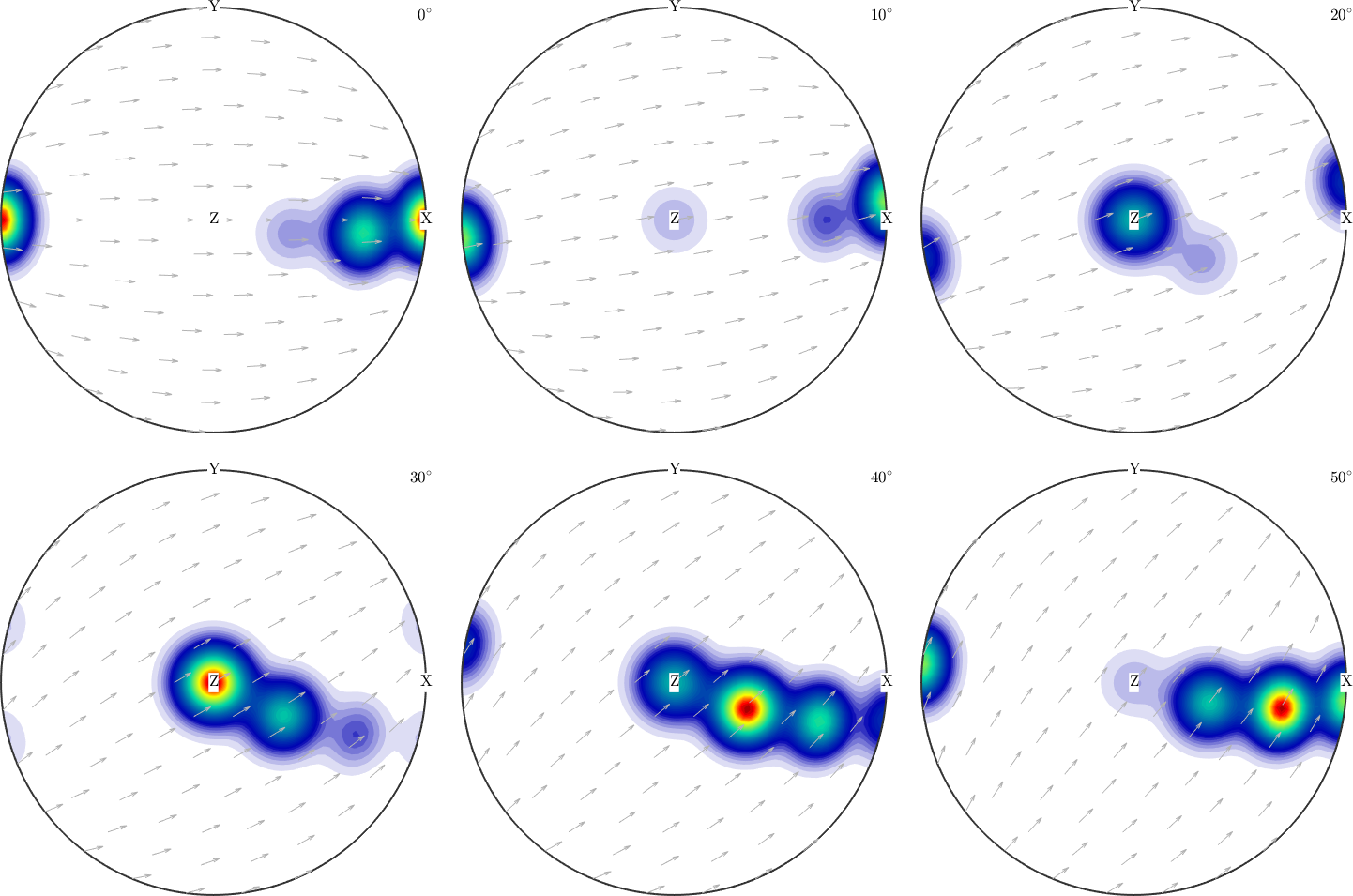 Describing and plotting textures8
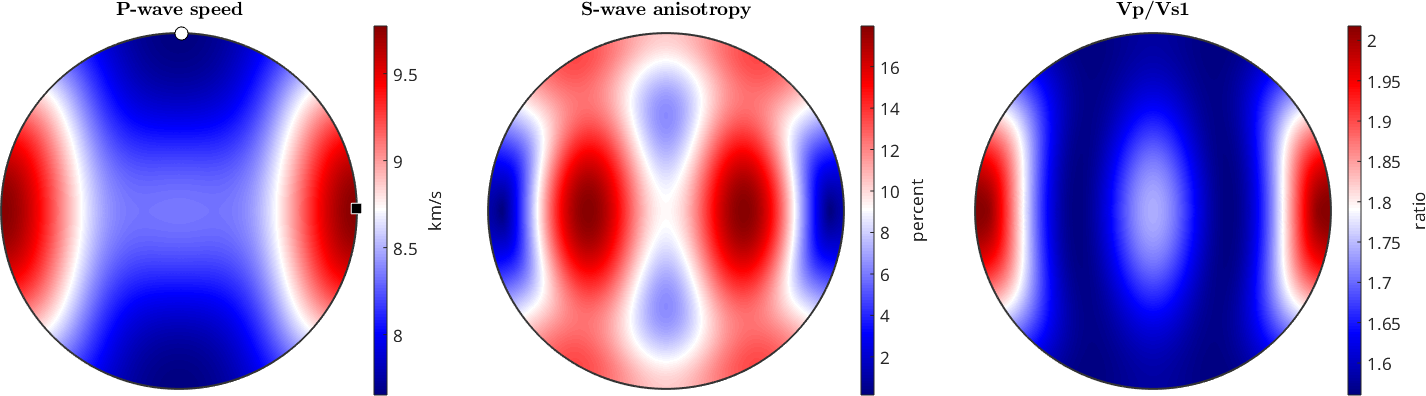 Physical properties7 + 3
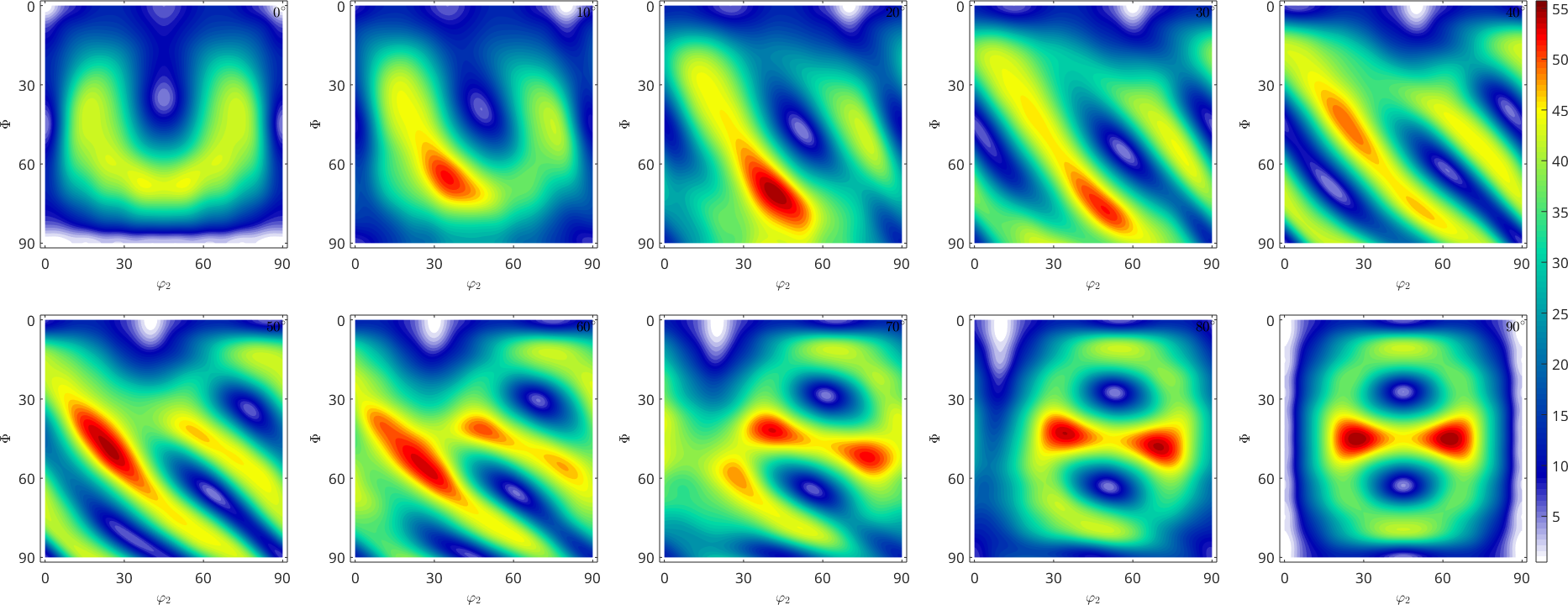 Plasticity and texture evolution6 + 3
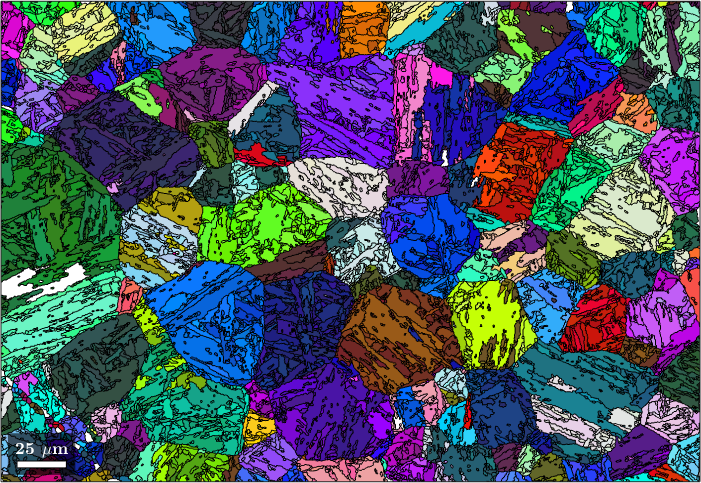 Parent grains and phase transformations9 + 2
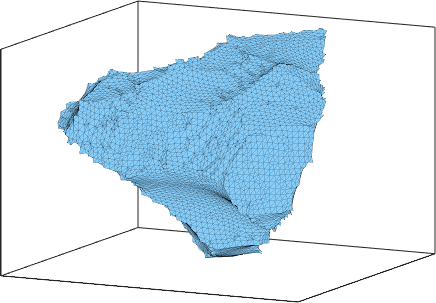 3D data7
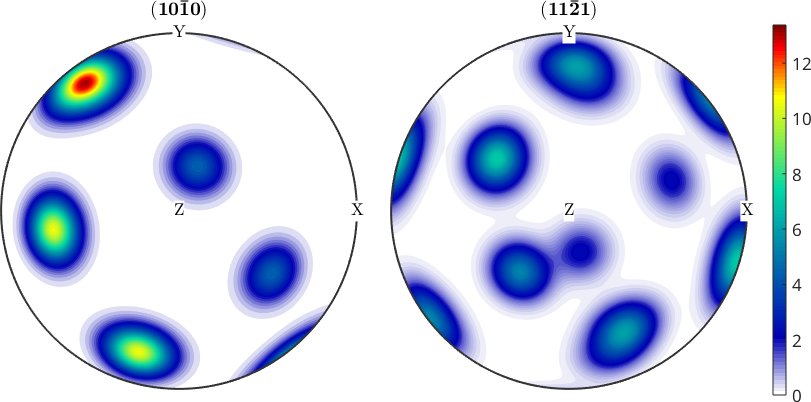 Figures13
2 + 7: the pages of a chapter and the case studies on real data that close it, 20 in all.
Function reference
What does it take?Every class and function with its options, generated from the help text in the MTEX source. It is also the second tab in the sidebar of every documentation page.