
How do I do it?
The practical pages, ordered along a typical analysis from import to figures.
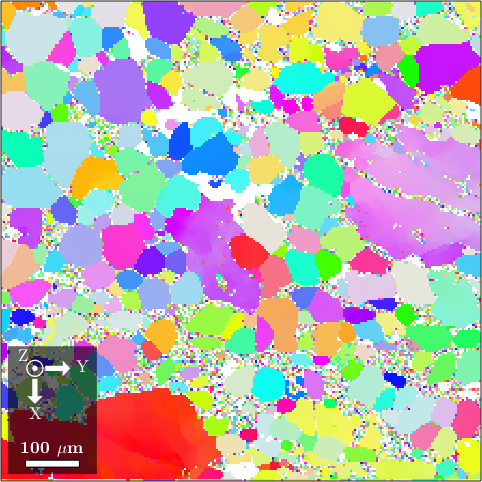
Import, export and reference frames
Load EBSD, pole figure, orientation and tensor data, set the reference frames, and write results back out.
19 pages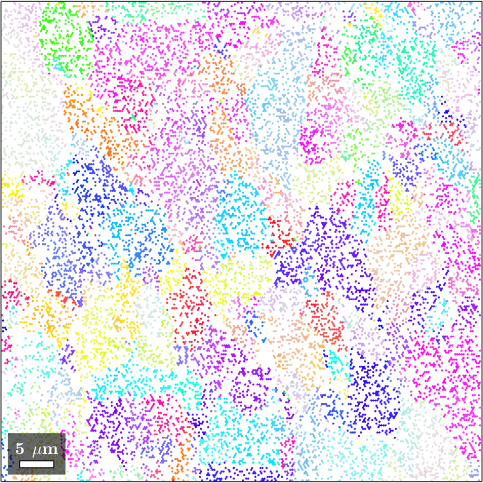
Preparing EBSD maps
Select phases and regions, fill and denoise maps, regrid, and handle pseudo-symmetry.
8 pages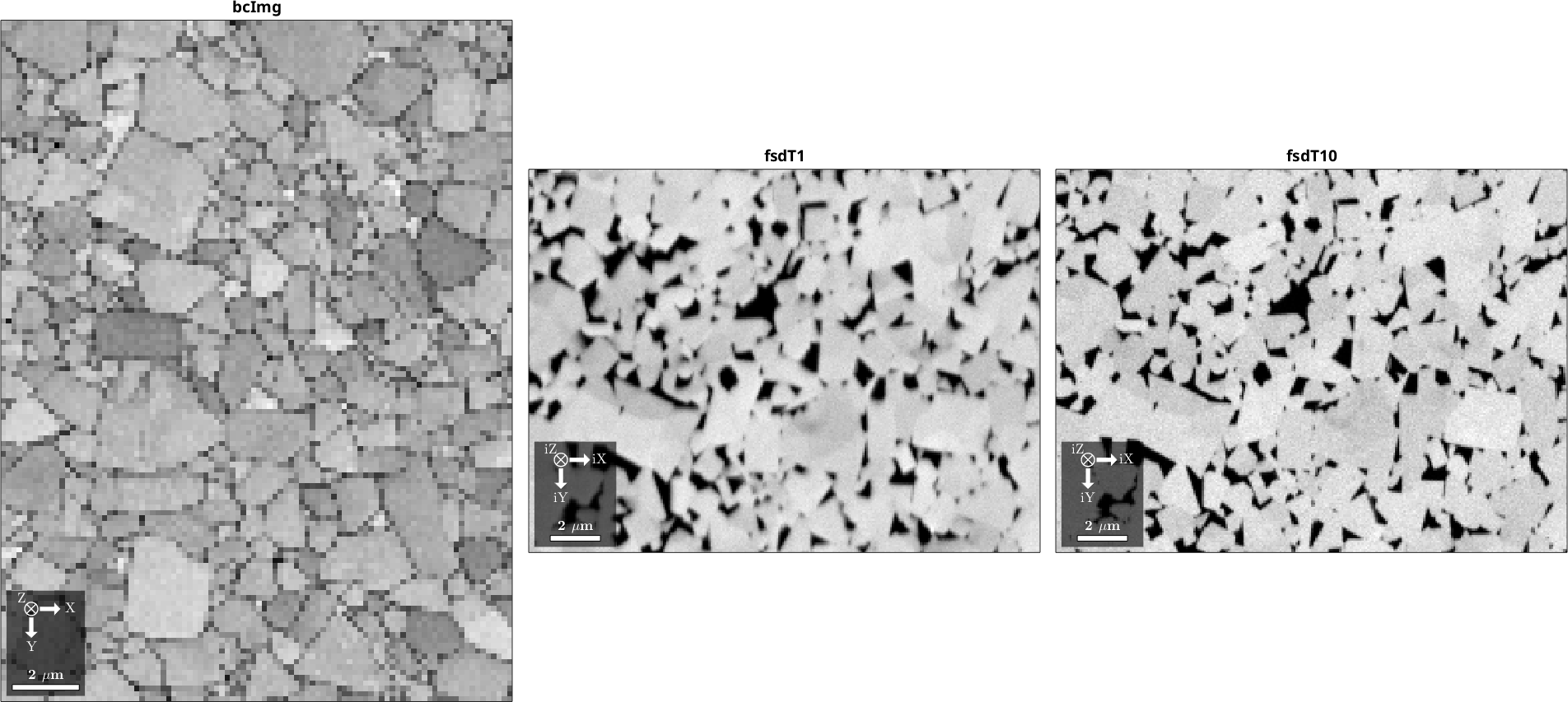
Correlating maps and images
Align EBSD maps with SEM images and other maps, and correct distortions.
3 pages · 3 case studies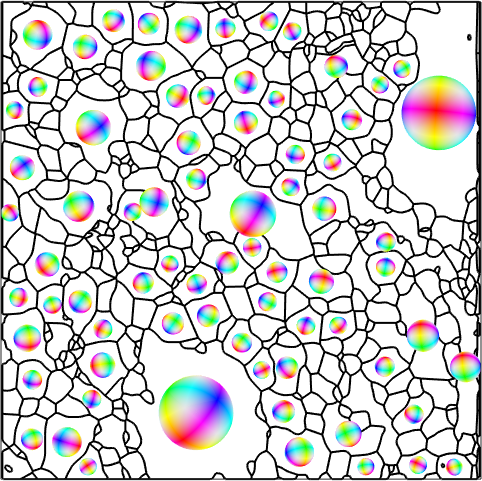
Orientation maps
Colour maps by orientation or property, choose colour keys, and plot orientation populations.
5 pages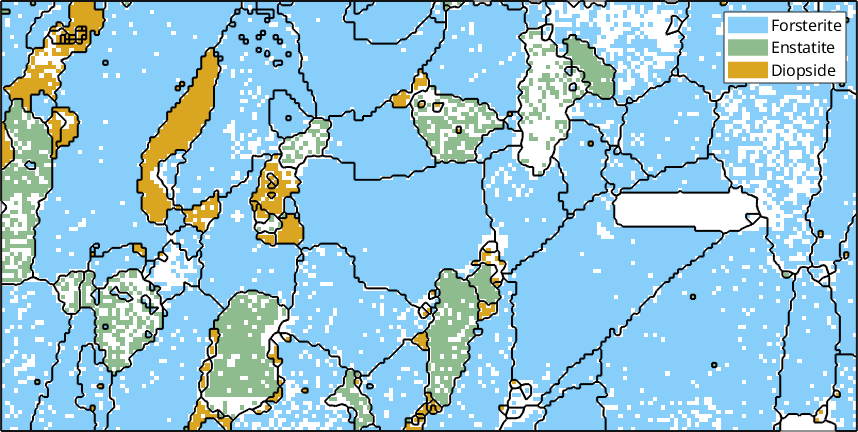
Grains
Reconstruct grains, select and merge them, and work with their neighbours.
7 pages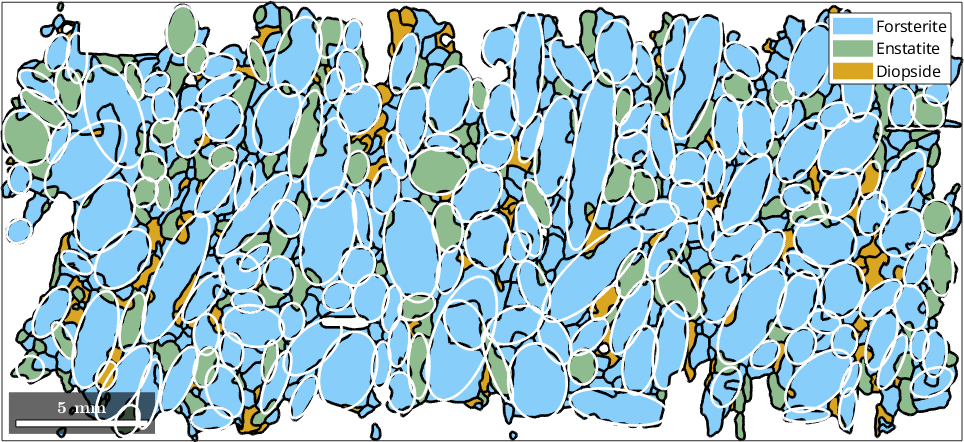
Grain size and shape
Area, perimeter, fitted ellipses, convex hulls and projections of grains.
4 pages · 1 case study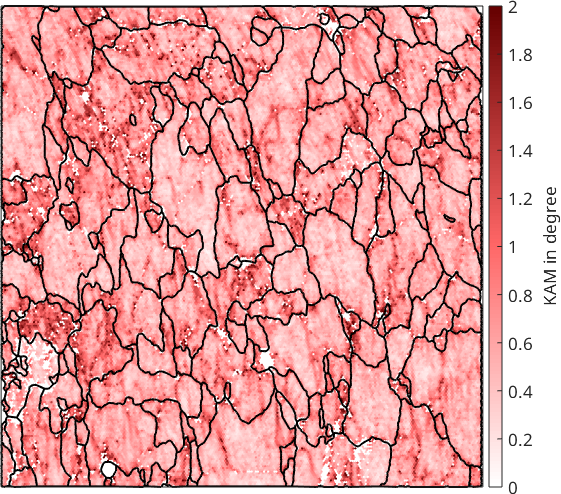
Orientation spread and dislocations
KAM, GROD, GOS, orientation profiles, GND density and weighted Burgers vectors.
7 pages · 1 case study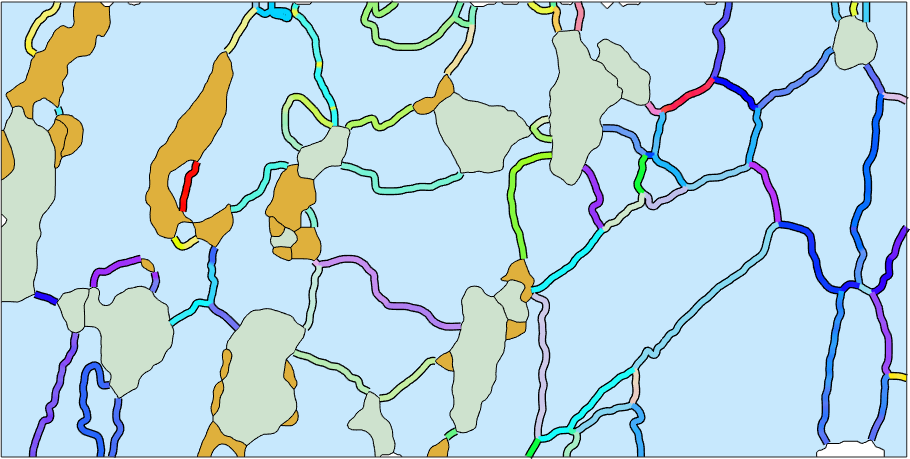
Grain boundaries
Select, plot and classify boundaries: CSL, twins, subgrains, curvature, triple points.
15 pages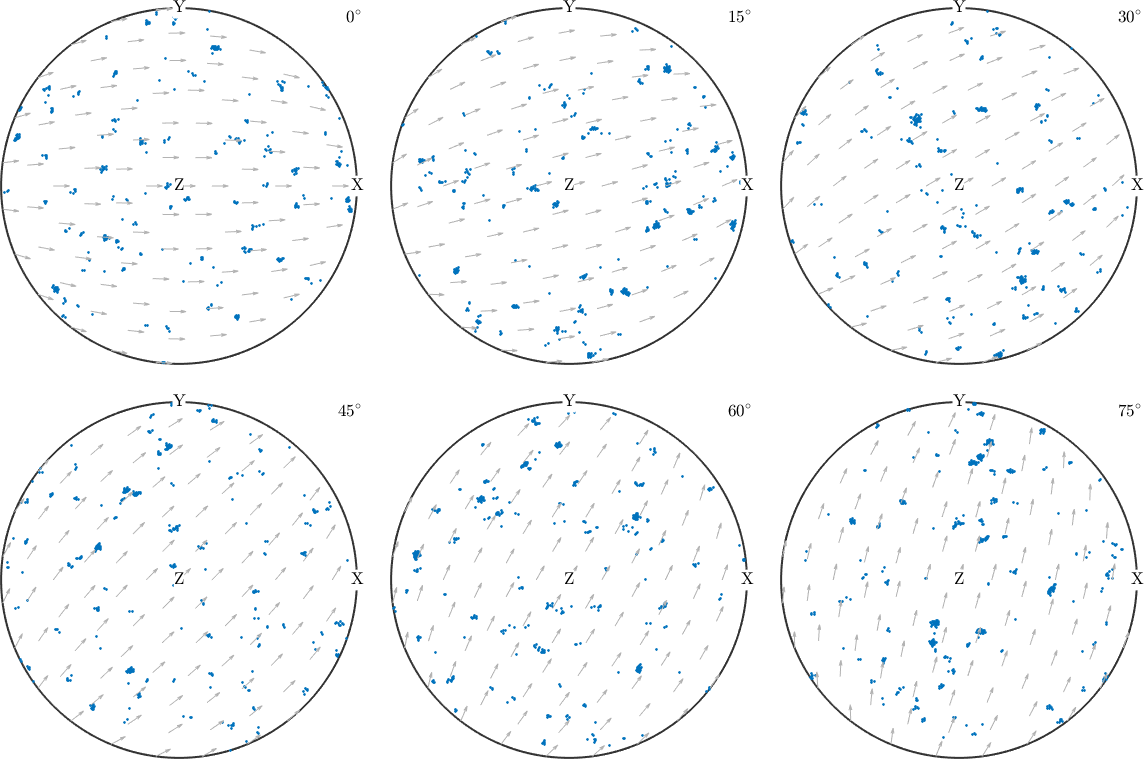
Texture from EBSD
Estimate ODFs and direction densities from individual orientations.
4 pages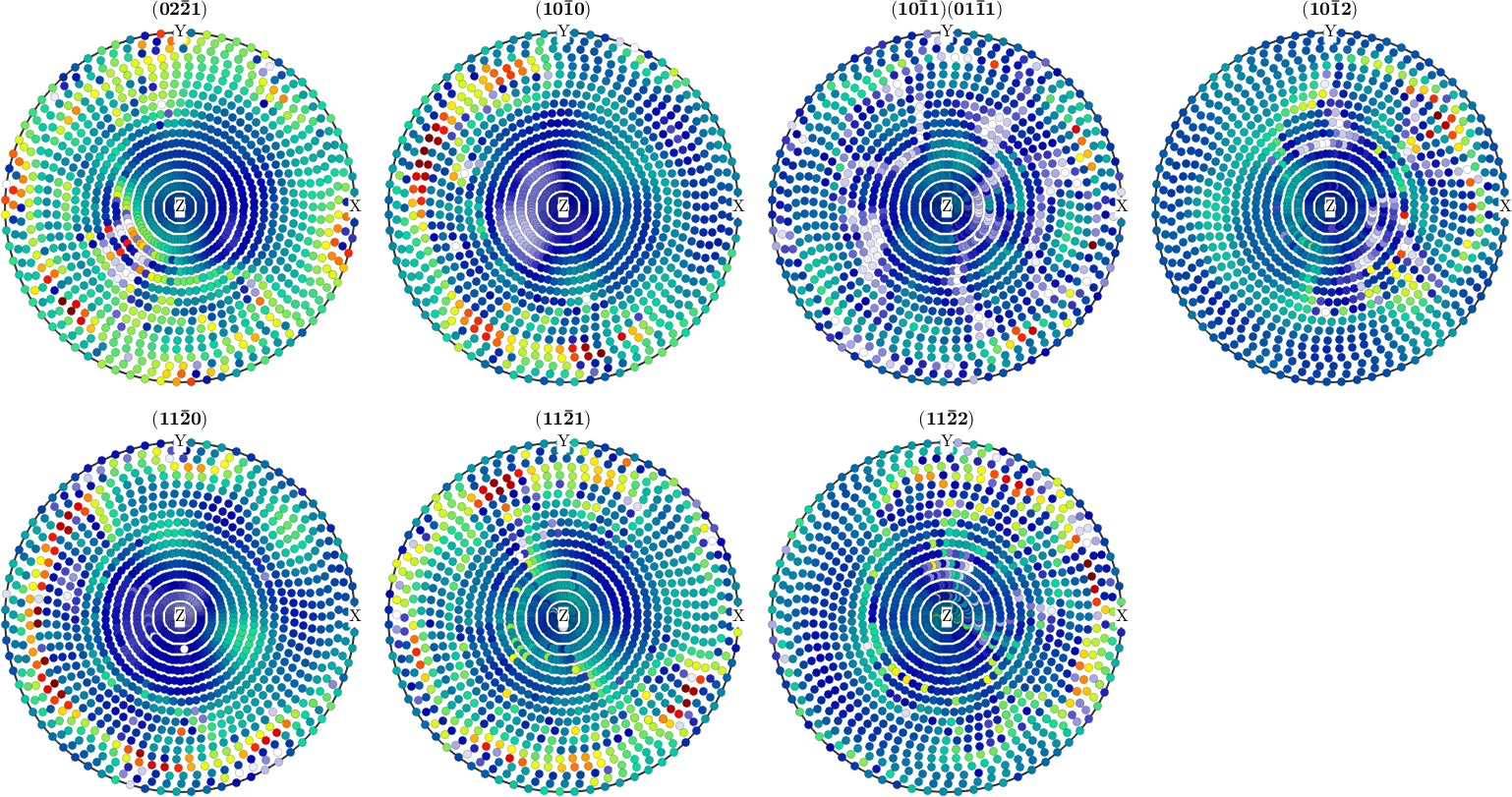
Texture from pole figures
Correct X-ray and neutron pole figures and reconstruct the ODF.
7 pages · 7 case studies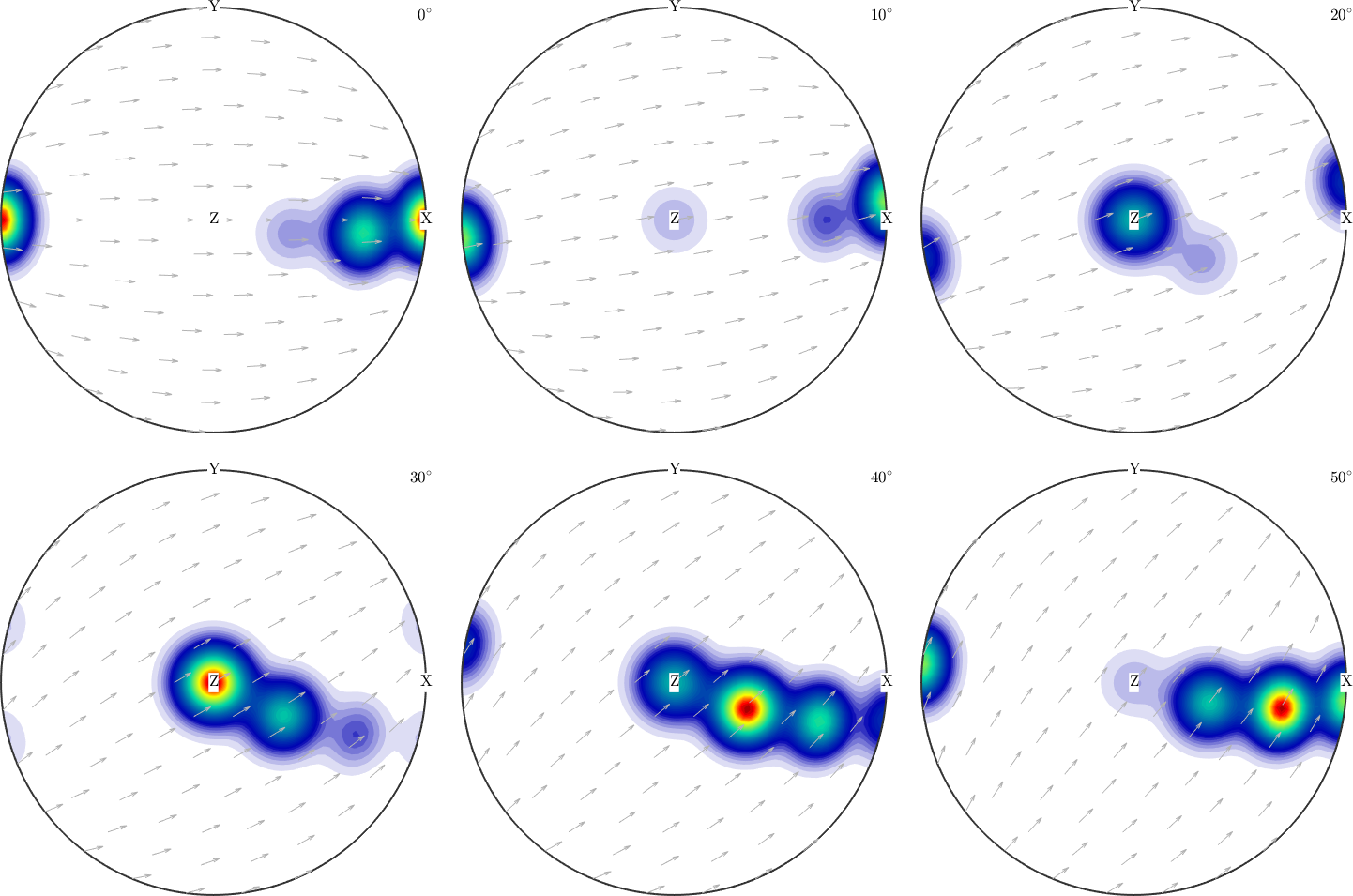
Describing and plotting textures
Model textures, plot them in pole figures and sections, and measure components and strength.
8 pages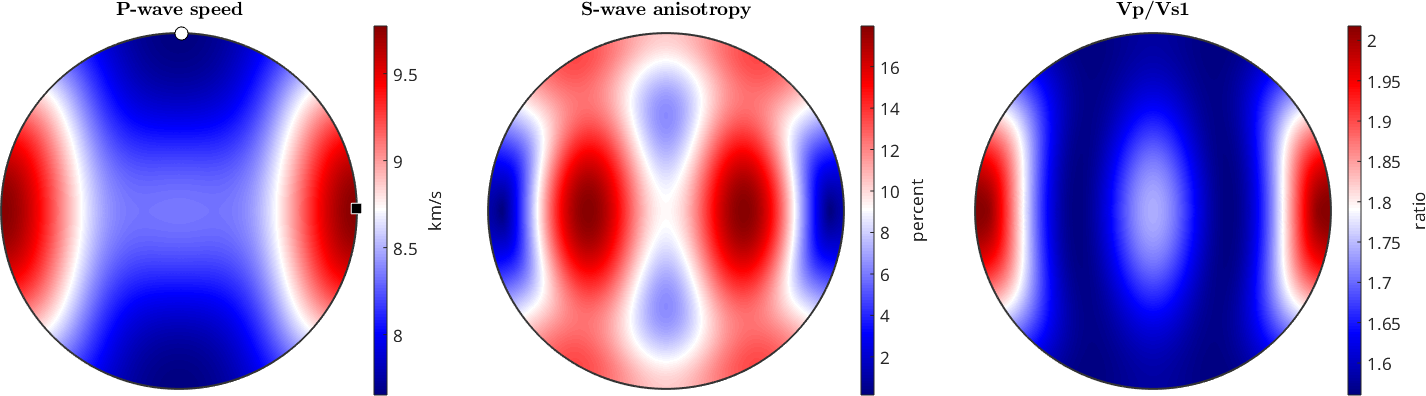
Physical properties
Tensor arithmetic and averages, wave velocities, piezoelectricity, optics, magnetism.
7 pages · 3 case studies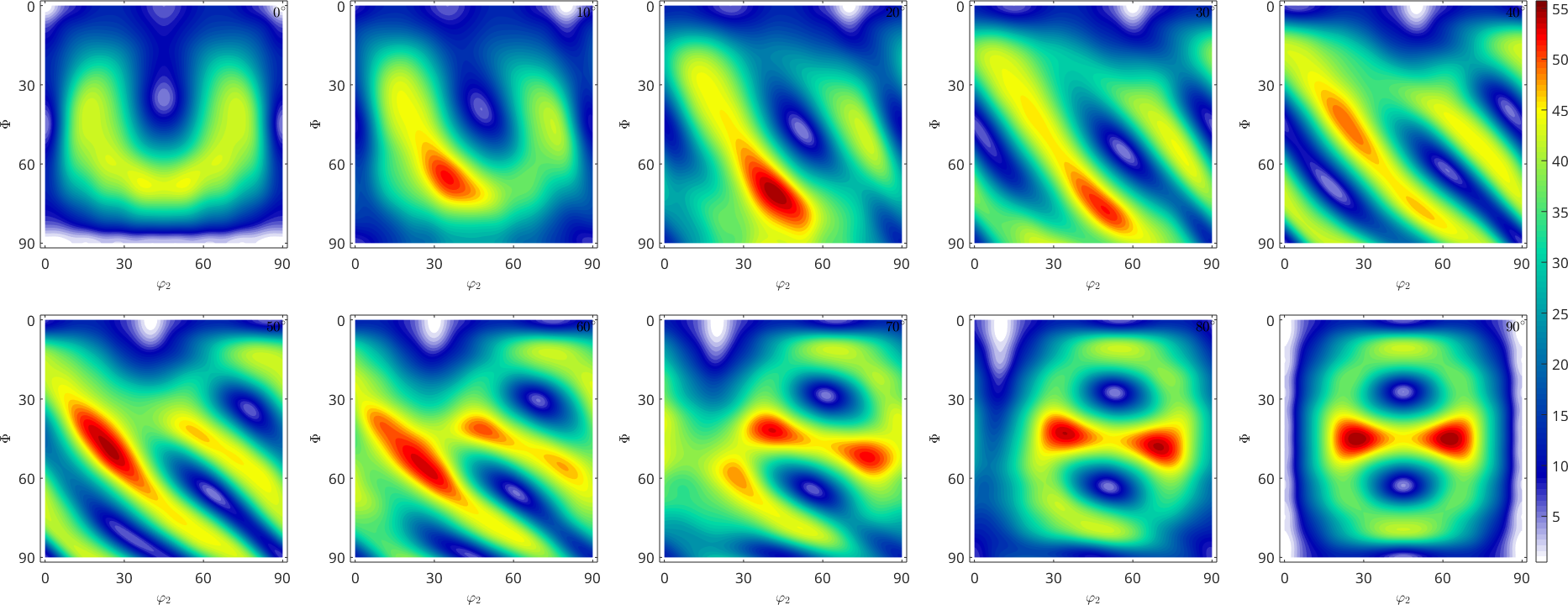
Plasticity and texture evolution
Taylor and Sachs models, slip transmission, twinning and texture evolution.
6 pages · 3 case studies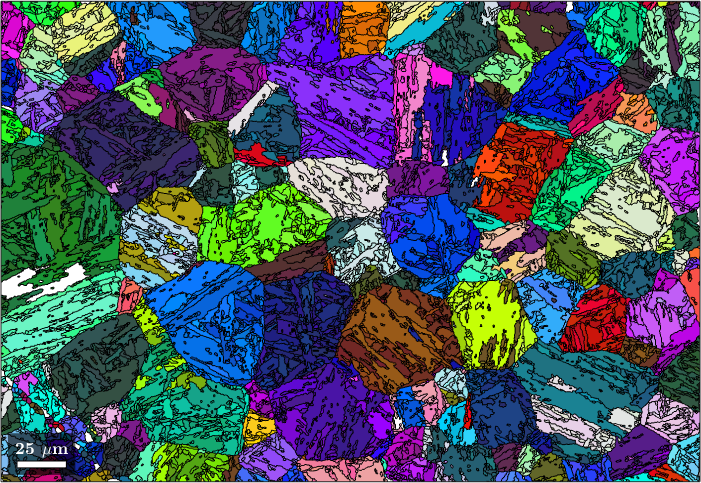
Parent grains and phase transformations
Fit orientation relationships, reconstruct parent grains and predict transformation textures.
9 pages · 2 case studies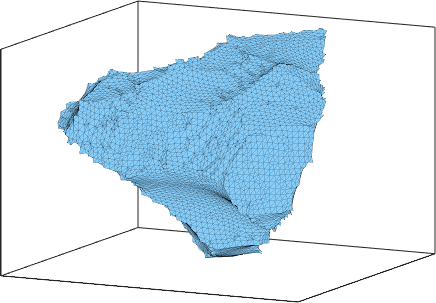
3D data
Volume EBSD, three-dimensional grains, their boundaries, size and sections.
7 pages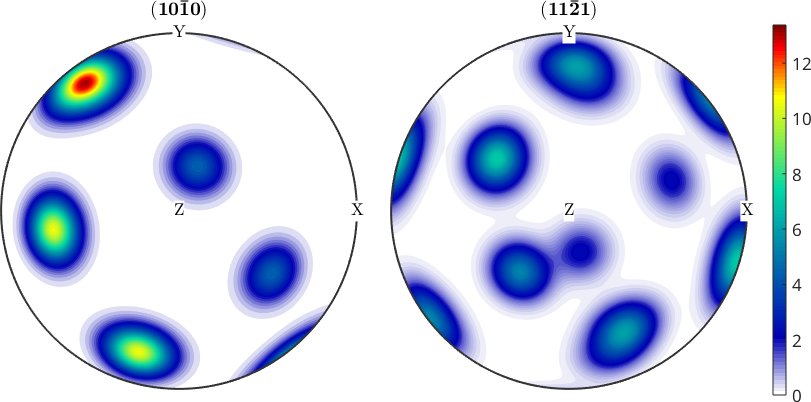
Figures
Plot types, projections, alignment, colour ranges, annotations and export.
13 pages