
Workshop on Quantitative Microstructure Analysis
Two weeks at TU Bergakademie Freiberg, Germany: concepts and tools in the first, the latest analysis methods and the impact of AI in the second. On site or online, and one week is possible too.
1–11 March 2027: week 1 from Monday 1 to Friday 5 March, week 2 from Monday 8 to Thursday 11 March. Fees and registration will be announced here. The 2027 workshop follows the format of the 2026 workshop.
New in 2027
- the key concepts of crystallography, texture and microstructure analysis
- how to visualise these concepts with MTEX
- how to use AI to write MTEX code reliably and efficiently
Understanding quantitative microstructure analysis
Daily lectures on EBSD, crystallography, texture and their link to plastic deformation and physical properties, each followed by exercises in MTEX.
- import, clean and segment EBSD data
- misorientations and grain boundary networks
- tensor properties: stress, strain, elasticity
- parent grain reconstruction and phase transformations
- statistics and visualisation
Along the way you learn which tools are available for your data, and to read MTEX code as the most compact description of an analysis.
Getting the most out of your data
A workshop on the latest analysis methods and on what AI changes in the way microstructures are analysed. Talks from every direction are welcome: metallurgy, geology, semiconductors, method development and beyond. The question that connects them is how to get the most out of the data.
- 20-minute talks with 10 minutes of discussion
- keynotes by invited experts, to be announced
- discussions on new methods and the impact of AI
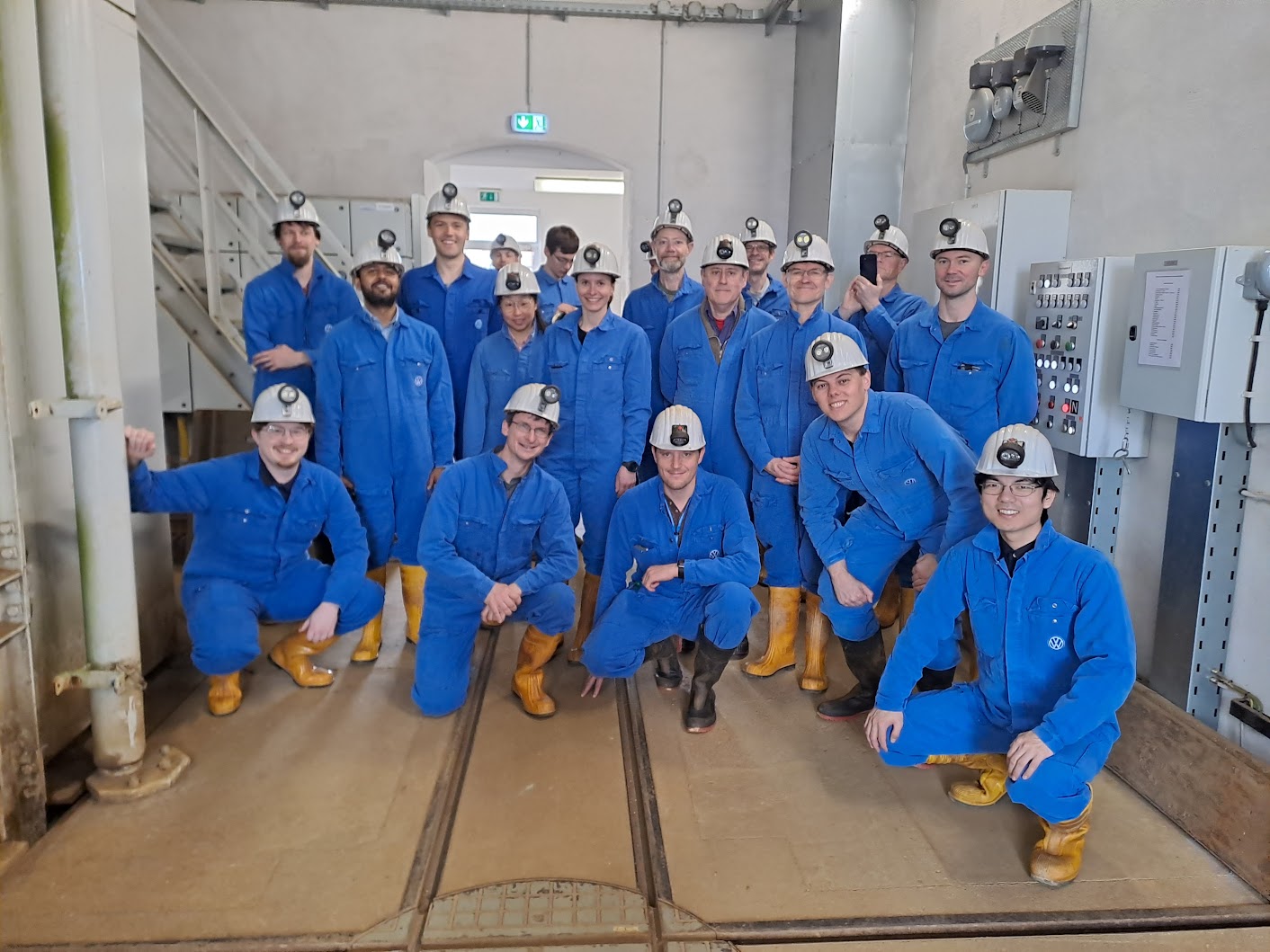
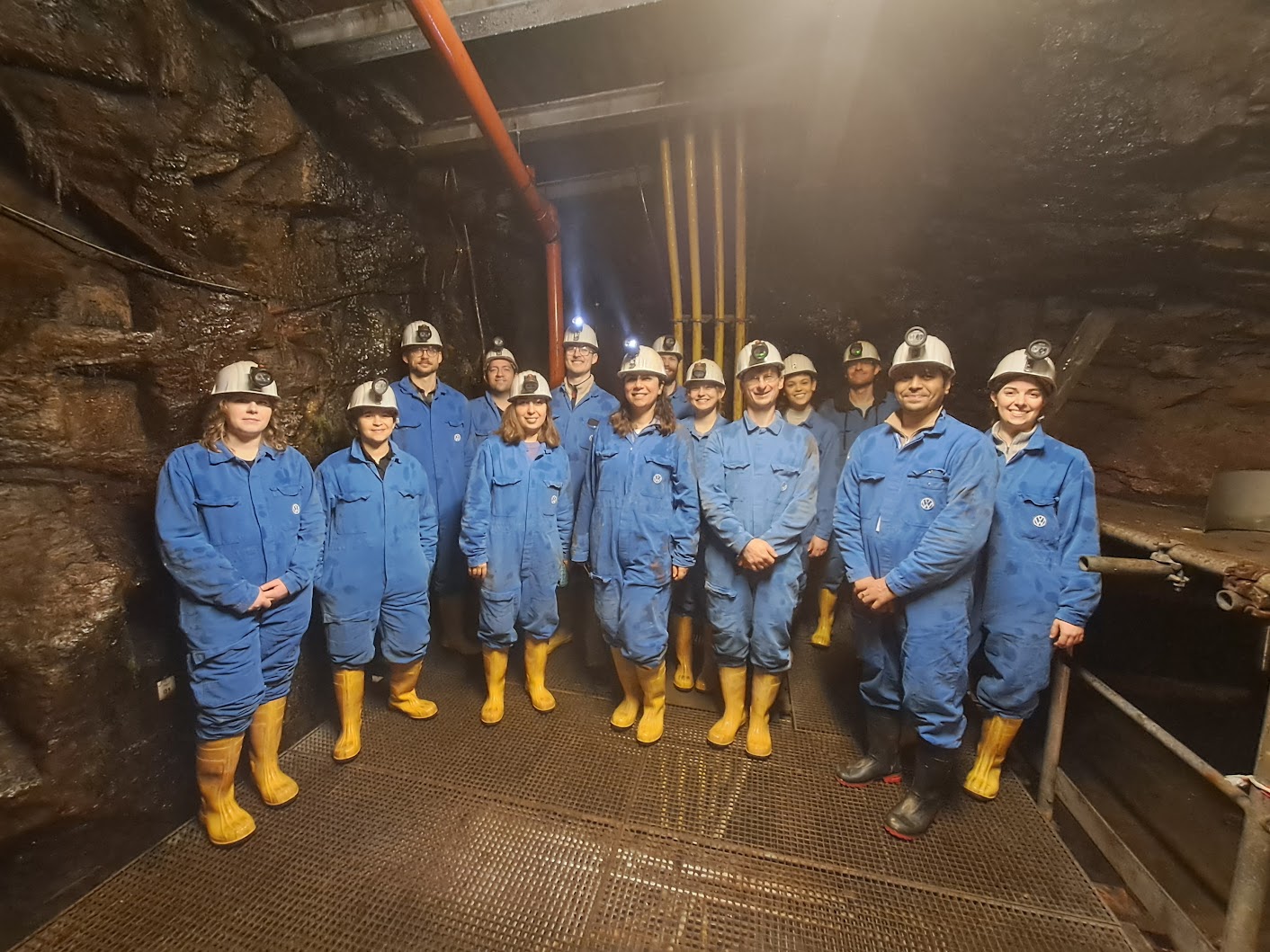
- an excursion into the Freiberg silver mine
Freiberg, Saxony
Where: TU Bergakademie Freiberg, Germany. How: on site or online, both weeks or one.
Fees in 2026, for orientation: both weeks on site €400 for students and €600 for others; online €200 and €300; the second week alone €100 and €200. Registration was free for students of TU Freiberg and the University of Halle. The 2027 fees will be announced with the dates.
Questions: ralf.hielscher@math.tu-freiberg.de
Past workshops
Programmes, slides and recordings.